10mm gravel
Smaller stones create a finer appearance. Do not choose them solely for colour: check suitability for tyres, movement and the proposed driveway system.
GRAVEL & SHINGLE · PARKING & ENTRANCE DESIGN
Create a loose-stone entrance with the preparation and edging needed for everyday parking. Landscape Gardener of Kent installs gravel driveways in Birchington-on-Sea, helping you consider aggregate size, colour, containment and the supporting construction before choosing the finish.
A gravel driveway needs more than stones spread across the ground. Share photographs, approximate dimensions and your postcode so we can discuss the layout, vehicle use and drainage, then provide a free, no-obligation quotation.
Consider how vehicles enter, park and turn, as well as the walking route to the house. Gravel can provide a different appearance from blocks or continuous surfacing, but loose stones need containment and periodic attention.
A level parking area and a steep approach may require different solutions. Tight turns, frequent braking and regular heavy vehicles should be included in the brief. If comfortable access for wheelchairs, pushchairs or bins is important, discuss a separate firm path or an appropriate stabilised system.
Sketch the parking spaces and pedestrian route before ordering aggregate. The layout should work when the cars are present, with doors opening clear of steps, planting and boundary features.
For a property near Minnis Bay or elsewhere in Birchington, examine the actual road entrance, slope and adjoining garden. A coastal address does not establish the ground conditions or how water will drain.
Photograph the pavement connection and any gate opening, then show where stones might migrate onto a path or towards the road. Retained planting can help frame the entrance, while edging should define the usable parking area.
If the garden is exposed, consider the route from the car to the door alongside fencing and shelter. Plan boundary changes and delivery access before completing the driveway so later work does not disturb the finished area.
For a conventional loose-gravel vehicle driveway, 20mm aggregate is commonly worth considering before smaller stone. GravelMaster recommends 20mm for driveways and notes that smaller gravel can lodge in tyre treads. The actual product grading, shape and any grid requirements still need checking.
Smaller stones create a finer appearance. Do not choose them solely for colour: check suitability for tyres, movement and the proposed driveway system.
A common driveway size to compare. “20mm” is a nominal description; individual products can contain a graded range of stone sizes.
If stabilisation grids are proposed, use an aggregate size and fill specification approved for that system. A general driveway recommendation cannot replace the grid manufacturer’s requirements.
Check GravelMaster’s size guidance and compare samples. Size is one decision; stone durability, shape, vehicle use and containment matter too.
Angular chippings and rounded gravel behave and look differently. Consider stone movement when wheels turn, how the finish feels underfoot and whether a proposed grid is compatible with the aggregate.
Look at the sample wet and dry beside the house, fence and edging. Natural stone can vary, so agree the named product and grading rather than expect every delivered stone to match a photograph exactly.
Use decorative garden stone only where the supplier confirms suitability for the intended driveway use. A material that looks attractive in a border does not automatically make a suitable parking surface.
The ground needs assessing before specifying the layers. Existing soil, vegetation and unsuitable construction may need removal so the driveway can receive properly compacted support for its intended loading.
Agree excavation, the supporting aggregate and its compaction, edging, drainage and any separation or stabilisation layers. A geotextile can serve a specified separation role, but it is not a substitute for a load-bearing sub-base.
The position and type of membrane should follow the proposed construction. Do not assume that any weed-control fabric laid directly over lawn creates a suitable vehicle driveway. Where grids are used, include their supporting and filling requirements.
Finish with the agreed gravel depth rather than a thick layer chosen to hide uneven ground. Excess loose stone can make movement and walking harder; the surface should work with the designed support and containment.
Plan where stone meets paths, lawns, walls and the pavement. Suitable edging helps keep the surface within its intended area and gives a clear boundary for maintenance.
At the road entrance, consider a contained transition that reduces migration of loose aggregate. The detail needs to work with vehicle crossing levels and drainage, rather than simply add a decorative strip.
On slopes or frequently used turning areas, ask whether loose gravel is suitable and whether a stabilisation system or another finish would be more practical. Grids still need appropriate support; they do not correct every ground or drainage problem.
The total depends on the area, old surface removal, excavation, supporting construction, chosen stone, edges and drainage. A new driveway is a different scope from topping up an existing sound gravel area.
A 5m by 8m rectangle is 40m². At a hypothetical complete installed rate of £60 per m², its area-based subtotal would be £2,400. This is an arithmetic example, not our tariff or a current UK average. Confirm separately priced features, VAT and exclusions before comparing totals.
Send dimensions and photographs for a free gravel driveway quote. Include the existing surface, slope, access and parking requirements so the preparation can be assessed.
Loose stone can move under tyres and foot traffic, particularly when vehicles turn. It may need raking back into place and occasional replenishment. Edging and an appropriate stabilisation design can help, but they do not make every gravel surface maintenance-free.
Stones may migrate onto nearby paths or collect at the entrance. Surface debris can support wind-blown weeds, even where a membrane has been installed below. Comfortable walking and wheeled access deserve attention, especially if the driveway is also the main pedestrian route.
Compare these practical points with the appearance and installed scope. If the entrance is steep or constant manoeuvring is unavoidable, consider whether tarmac, block paving or resin-bound surfacing would better serve the site.
A gravel driveway has loose aggregate as its surface. Resin-bound aggregate is mixed with resin to form a continuous finish. Their construction, repair options and maintenance are different.
If you want the appearance of stone but dislike loose movement, discuss a suitable stabilised gravel system or resin-bound option. Compare complete specifications for the same vehicles and drainage rather than treating them as interchangeable finishes.
Water can pass between loose stones, but the complete construction and ground conditions determine what happens next. The drainage design must consider supporting layers, infiltration or a suitable discharge arrangement and the levels beside the house.
For houses in England, permeable front-garden surfacing or runoff directed to a lawn or border to drain naturally can avoid planning permission. Traditional impermeable paving over 5m² needs permission without that provision. Property types and restrictions can change the position.
Check the Planning Portal guidance and Thanet District Council’s planning information. New or extended dropped kerbs and new access points need separate Kent County Council approval.
Before topping up, check why the surface has become uneven or thin. Rutting, soft patches and standing water may indicate supporting or drainage problems. More stone alone may leave those issues unresolved.
Show the full entrance and close-ups of affected areas. Where the construction is sound, maintenance can be discussed separately from replacement. Confirm the existing aggregate so a top-up does not introduce an unwanted mixture of size or colour.
Keep leaves and debris from accumulating and redistribute displaced stone as needed. Follow the proposed system’s care guidance, especially if grids or a defined entrance transition are included.
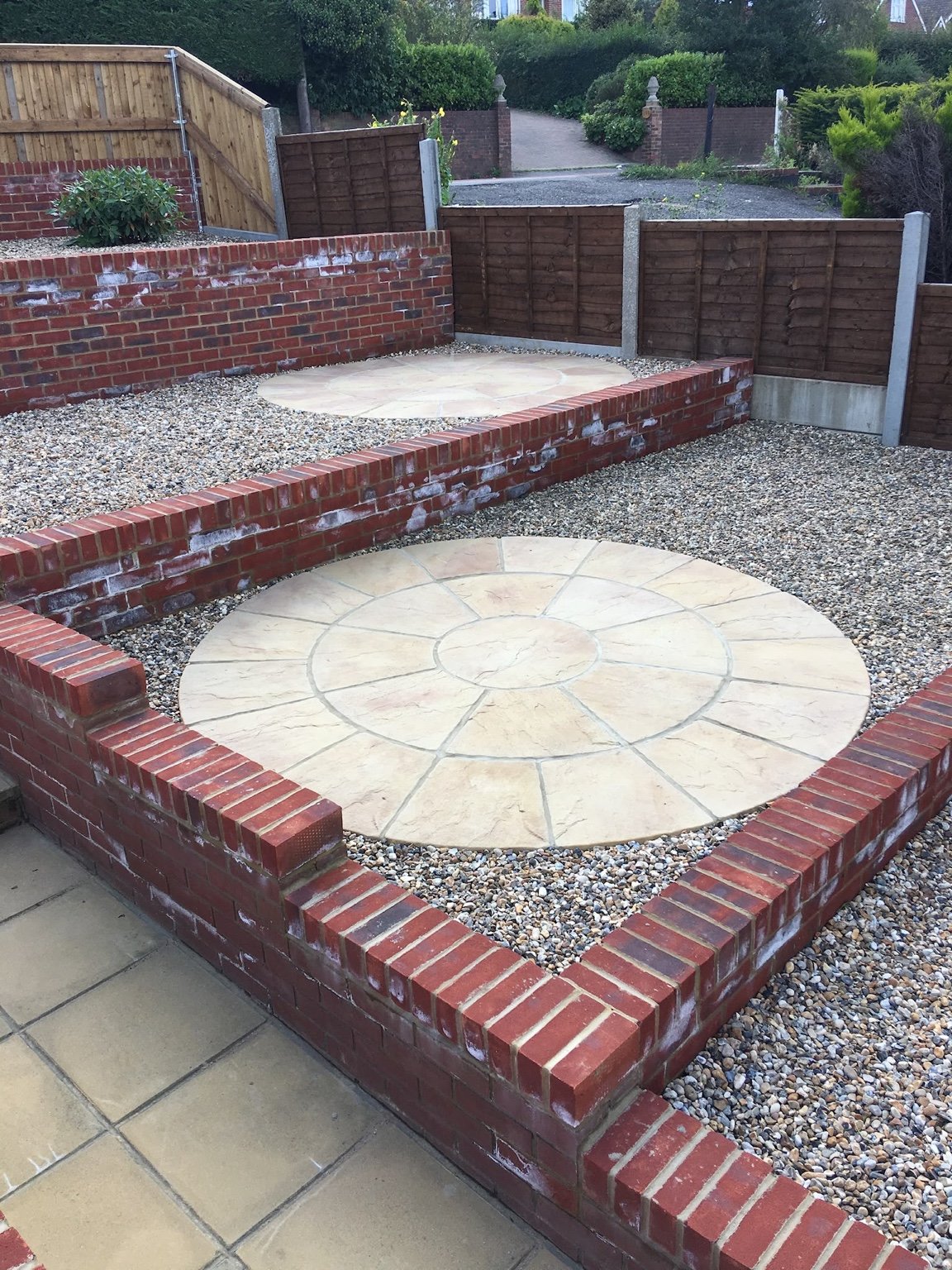
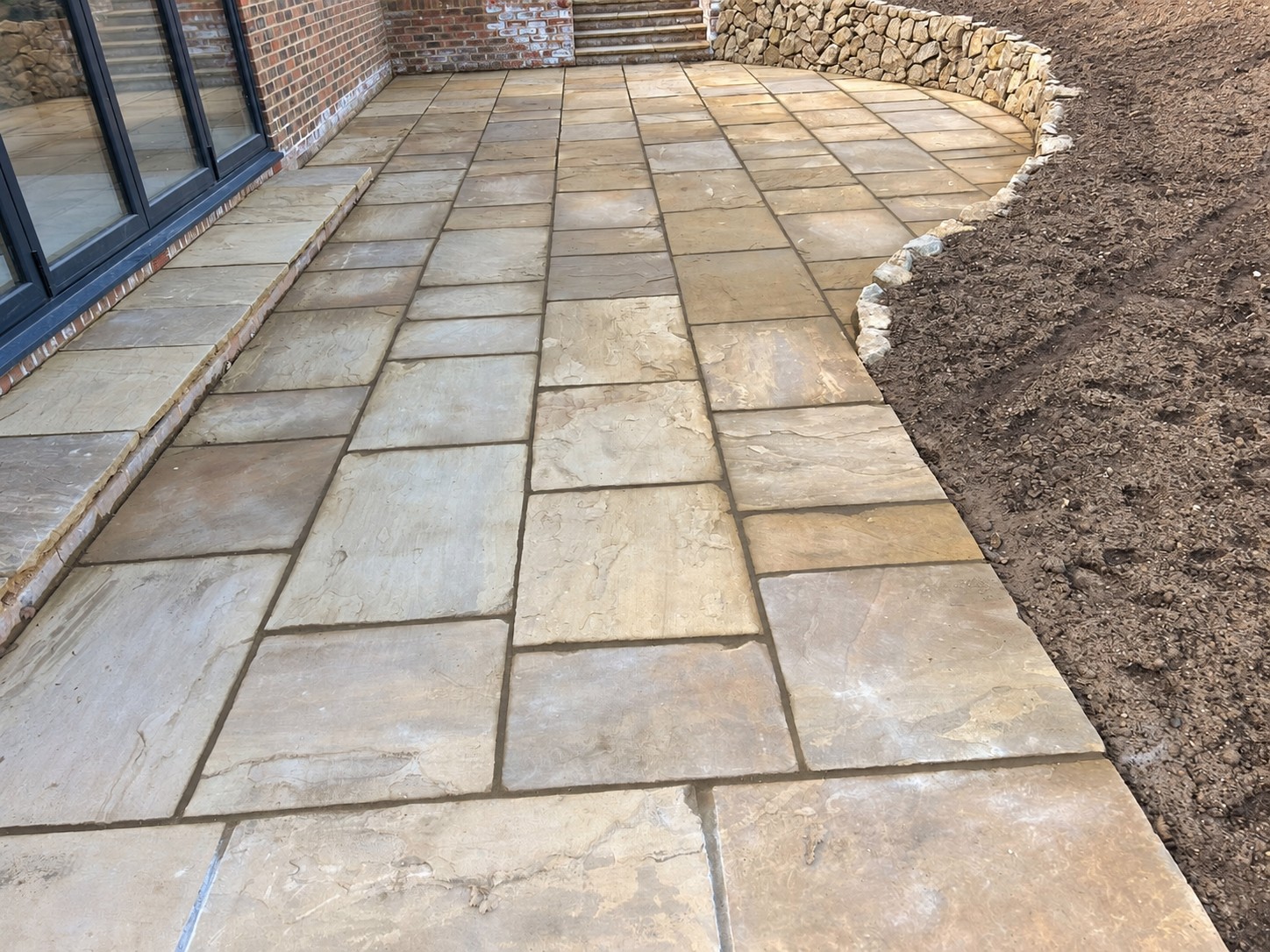
Our tiered Canterbury garden shows shingle alongside paving circles and retaining walls. The Chislehurst boundary project shows entrance piers and railings.
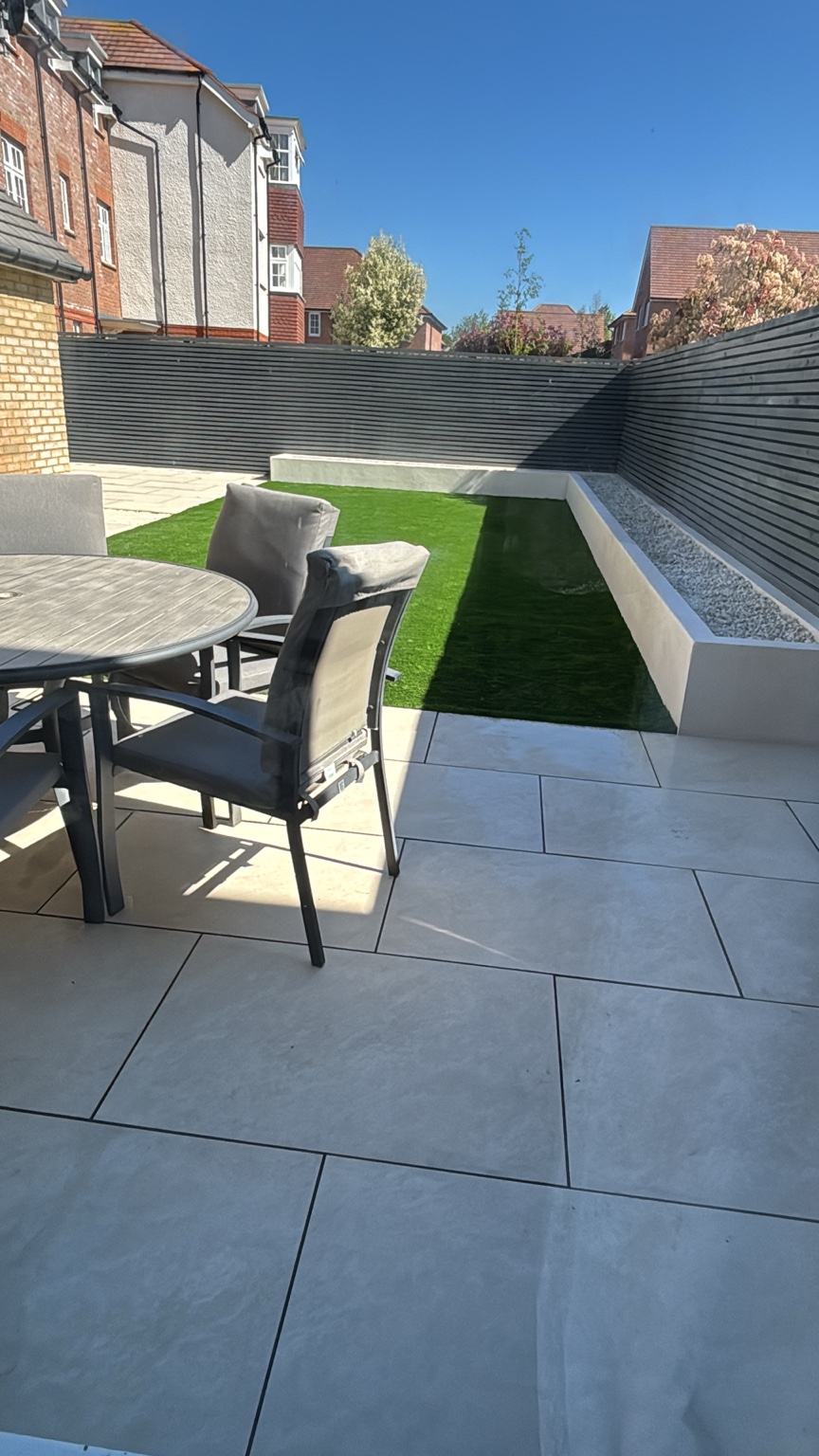
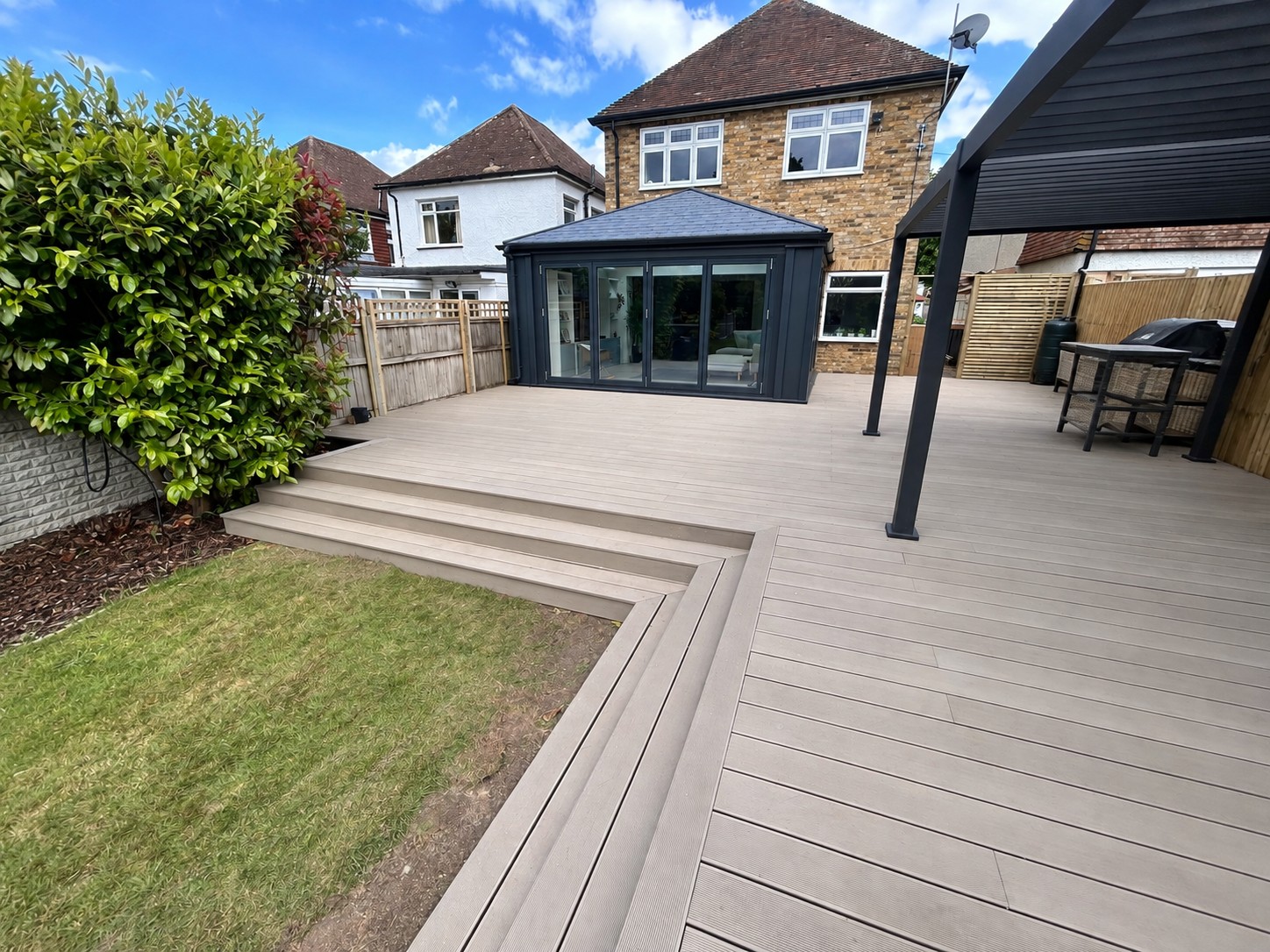
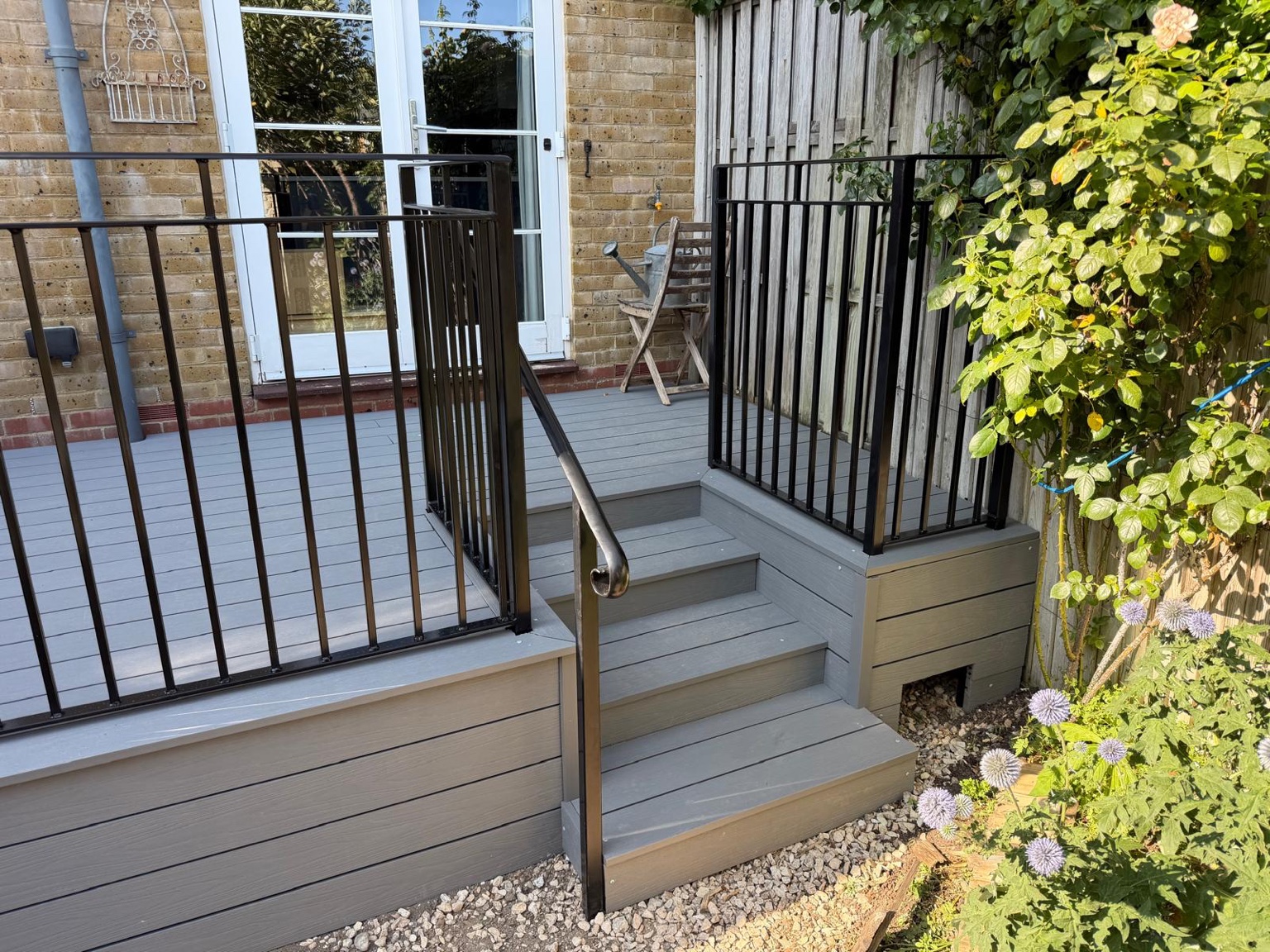
These are genuine garden and boundary photographs, labelled with their actual locations. They illustrate appearance and adjoining features; they are not vehicle driveway construction examples in Birchington.
Area, removal, excavation, support, aggregate, containment, drainage and any grids affect the total. Compare complete written quotations rather than stone supply prices or general averages.
Stone can move and migrate, raking and top-ups may be needed, and walking or wheeled access can be less straightforward. Slopes and frequent vehicle turning need particular assessment.
20mm is a common loose-driveway choice to compare; smaller stone may lodge in tyre treads. Check the actual product grading, intended use and any grid manufacturer’s aggregate requirements.
Assess excavation, compacted support, edges, drainage and appropriate separation or stabilisation layers. A membrane alone over untreated ground is not a load-bearing driveway construction.
Assess the slope, braking and turning areas before choosing loose stone. Stabilisation or another finish may be more appropriate; grids still need a suitable supporting specification.
No. An appropriate membrane can serve its specified role below the surface, but wind-blown seeds can grow in debris above it. Routine maintenance remains necessary.
It can be worth comparing, but the suitable installed total depends on equivalent preparation, drainage, edging and any stabilisation. Surface material cost alone is an incomplete comparison.
We can discuss refreshing a sound area after assessment. Rutting, soft ground or ponding may need supporting or drainage work before additional stone is appropriate.
The whole construction and ground conditions need assessment. Water passing through the top stone does not establish a complete infiltration or drainage solution.
Send your postcode, dimensions, wide photographs, slope, existing material and vehicle use. Include the road entrance, paths, boundaries and any wet or rutted areas.
COMPARE THE OPTIONS
Explore the other three surfaces before choosing a finish.
See our driveway options in Birchington-on-Sea and local landscaping services. Include paths, planting and boundary changes in the brief so levels, access and the construction sequence can be considered together.
OUR WORK · KENT
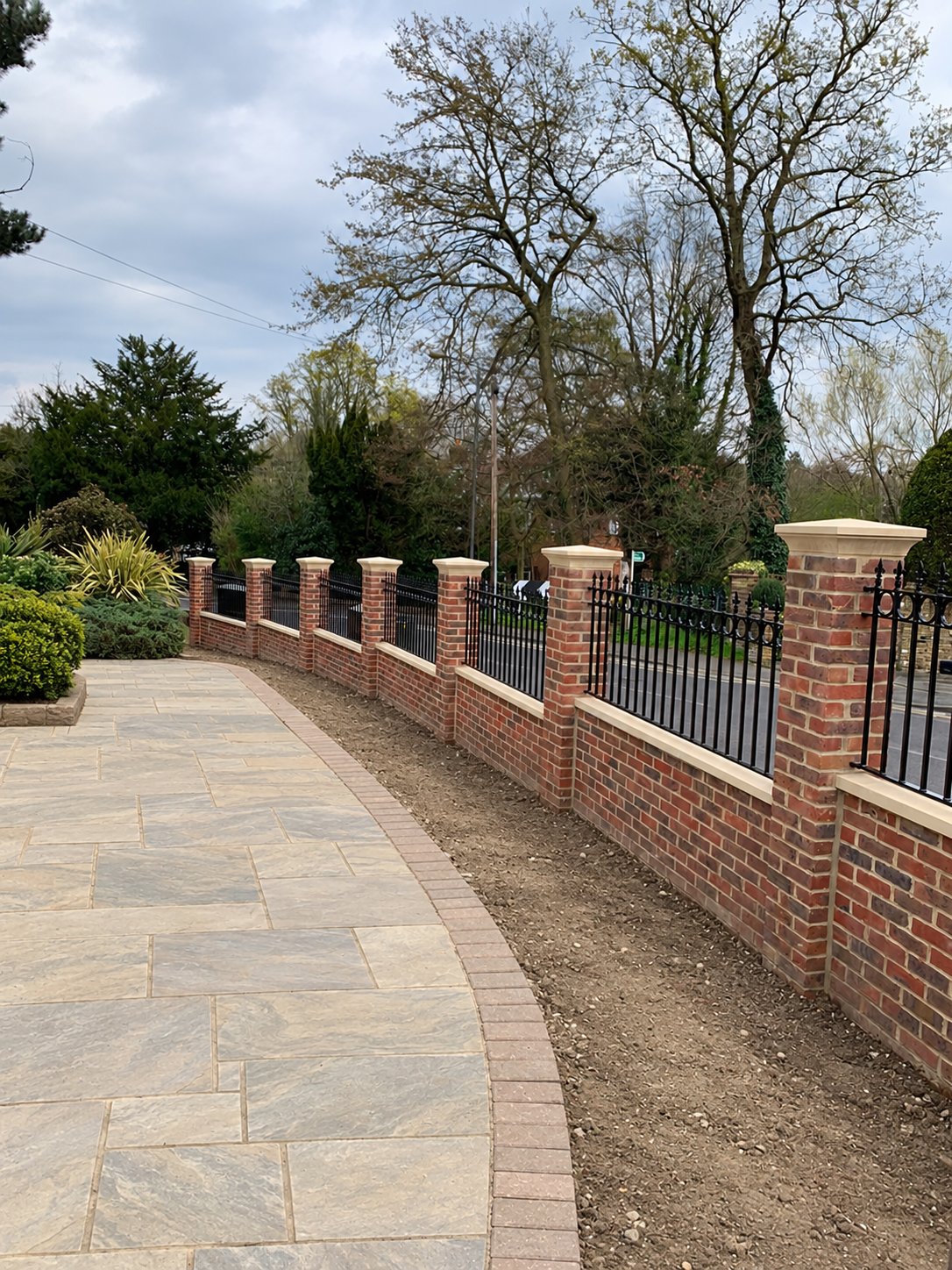
Chislehurst
A brick boundary with pale stone coping and pier caps, finished with decorative railing panels.
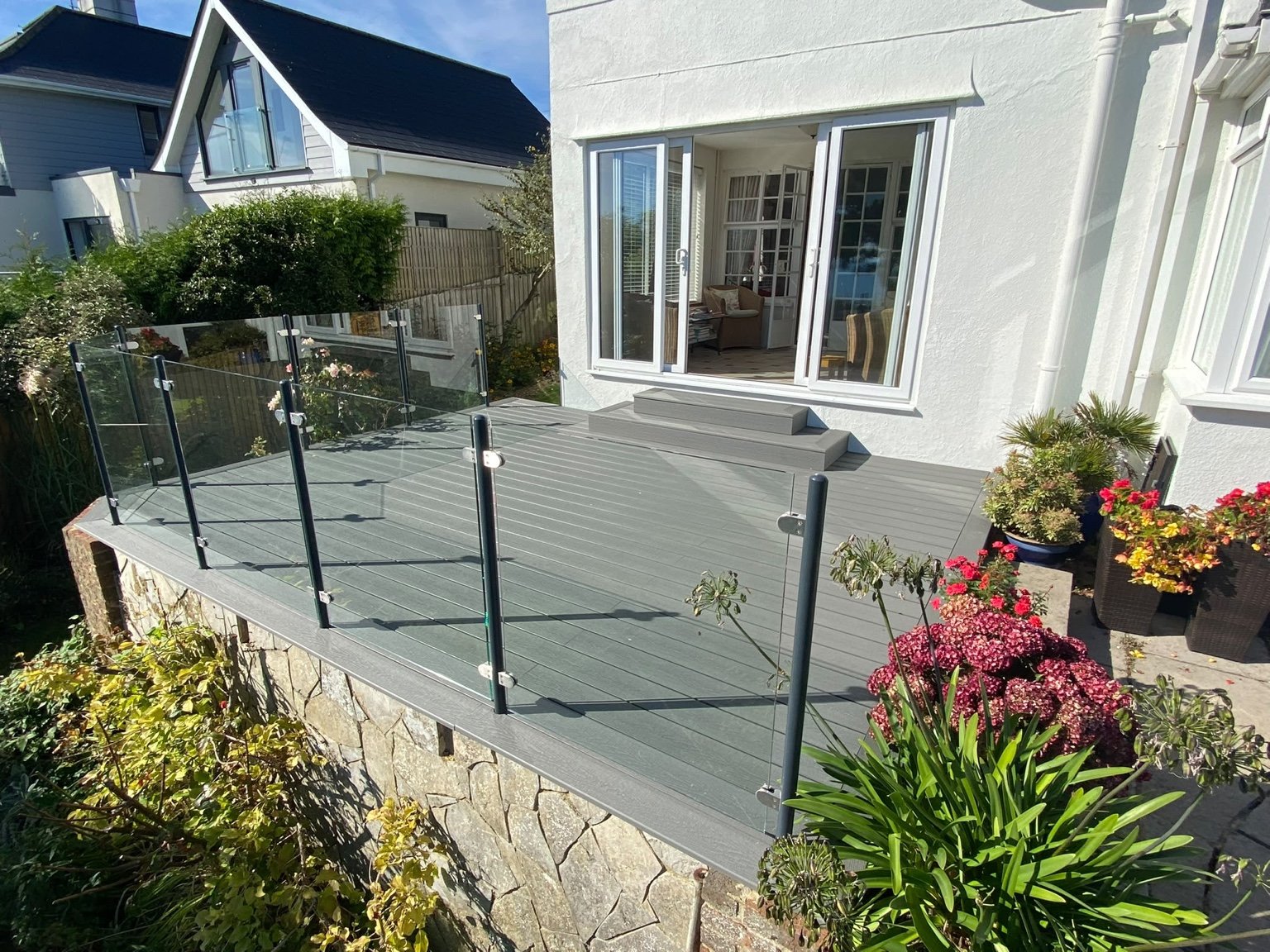
View Chislehurst projectSt Margaret’s Bay
Grey composite decking, glass panels, powder-coated steel posts and matching steps.
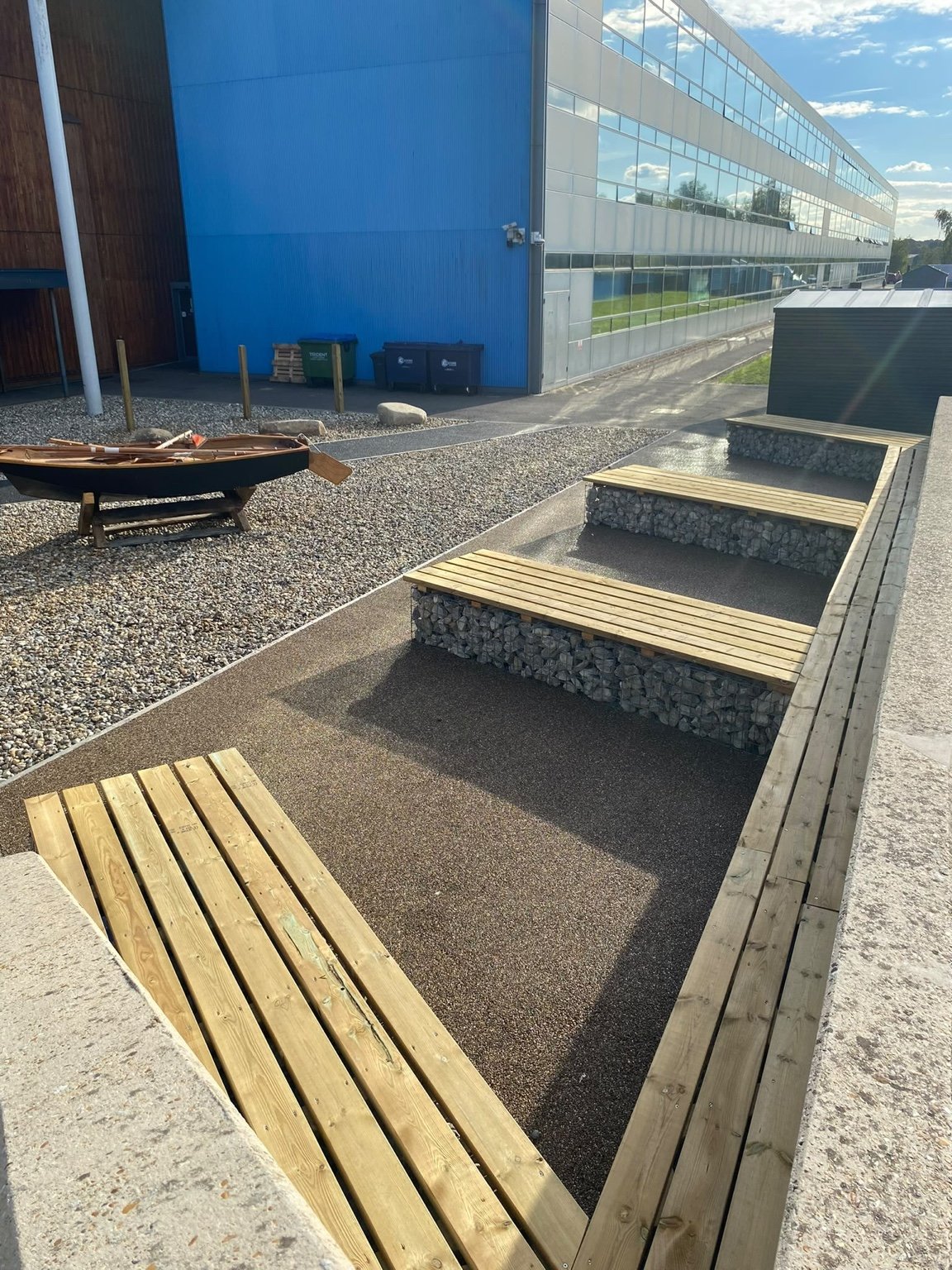
View St Margaret’s Bay projectFolkestone
Timber-topped gabion benches, resin-bonded surfacing, shingle and a boat feature at the academy entrance.
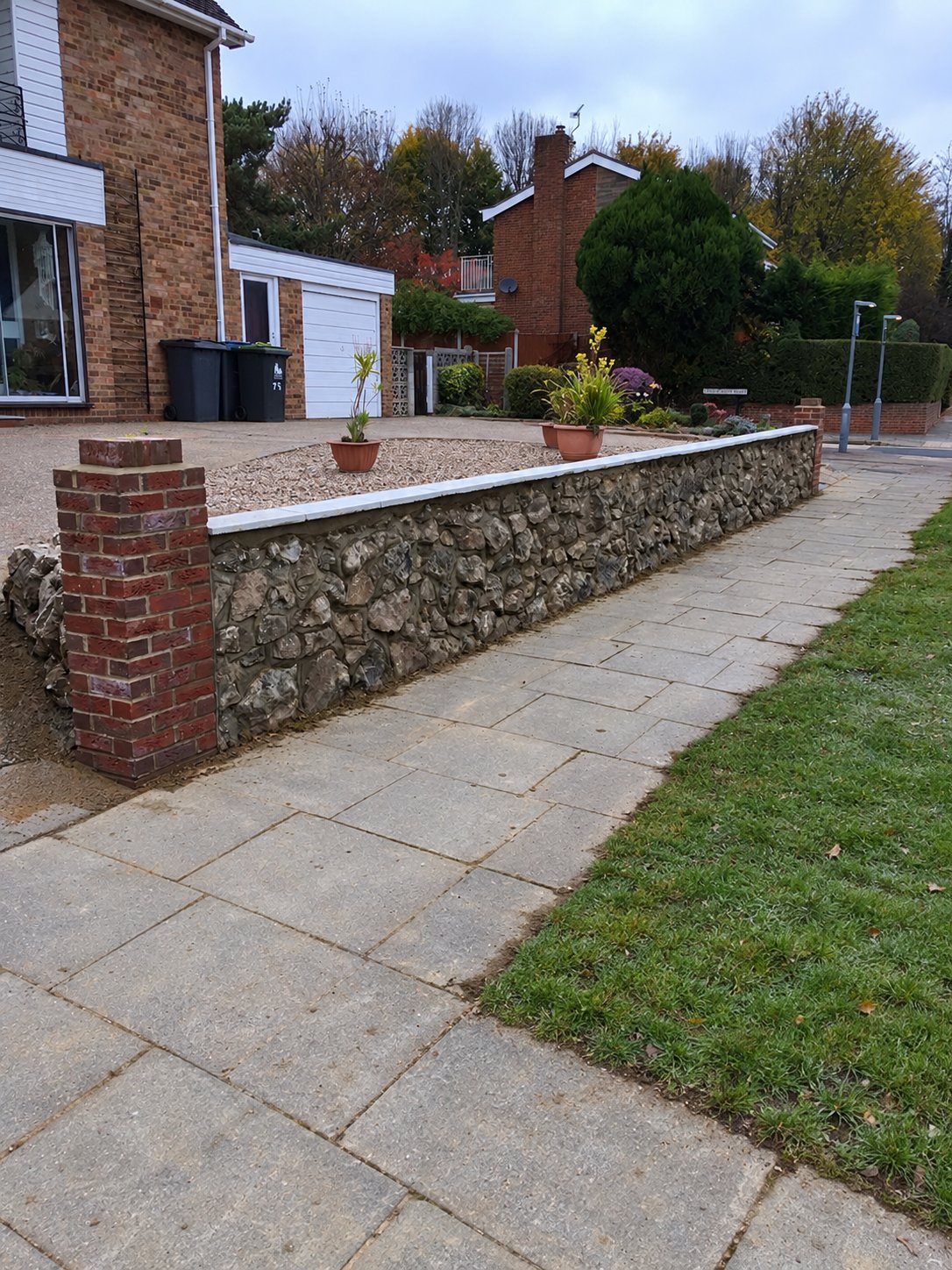
View Folkestone projectCanterbury
The stones from a customer’s late husband’s rockery kept and reused in a new front wall.
View Canterbury projectCanterbury
Retaining walls, shingle infill and riven buff slab circles across connected garden levels.
View Canterbury projectAshford
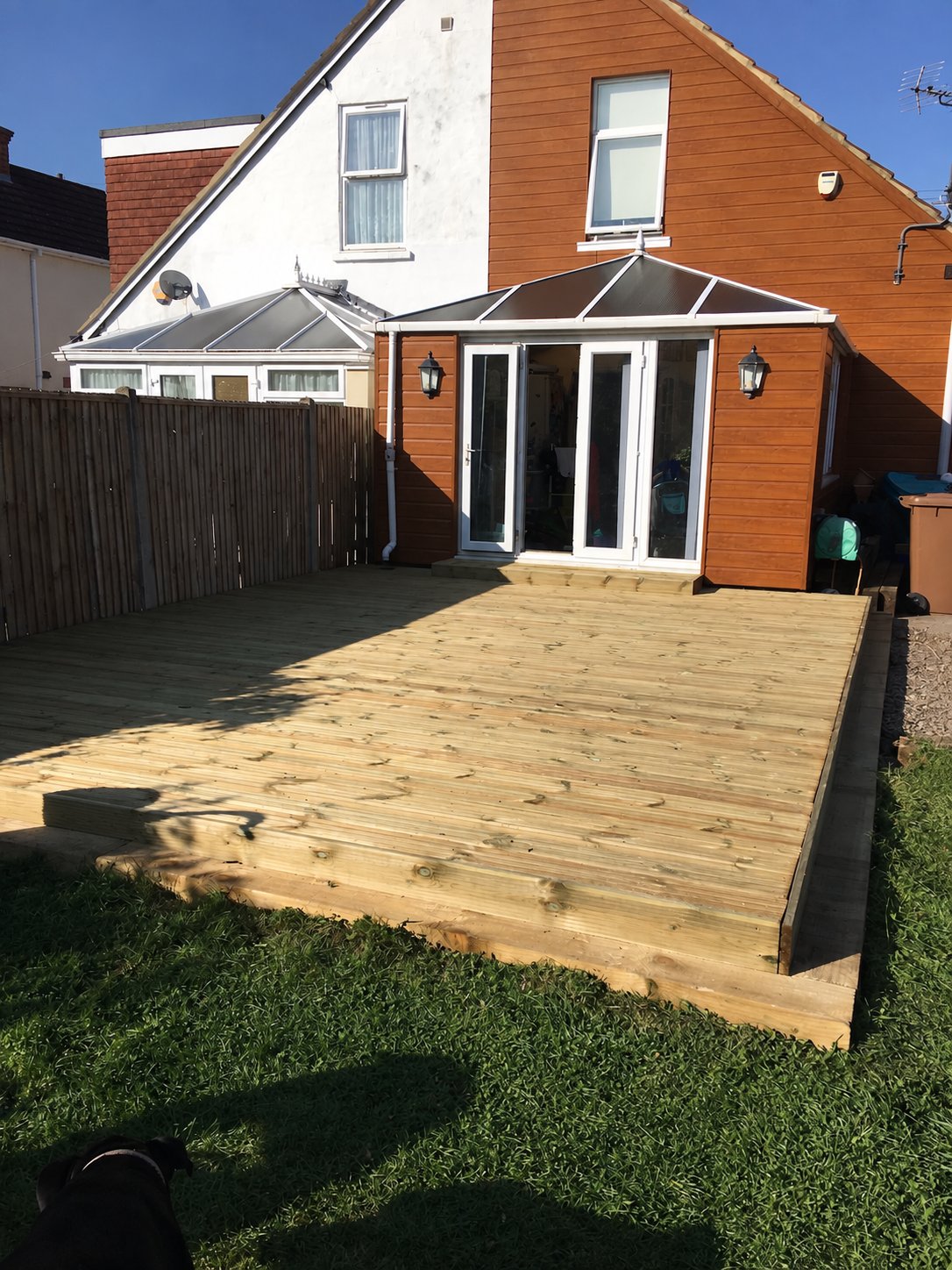
Before, during and after a timber decking replacement, from the old deck to the finished terrace.
View Ashford projectBorough Green
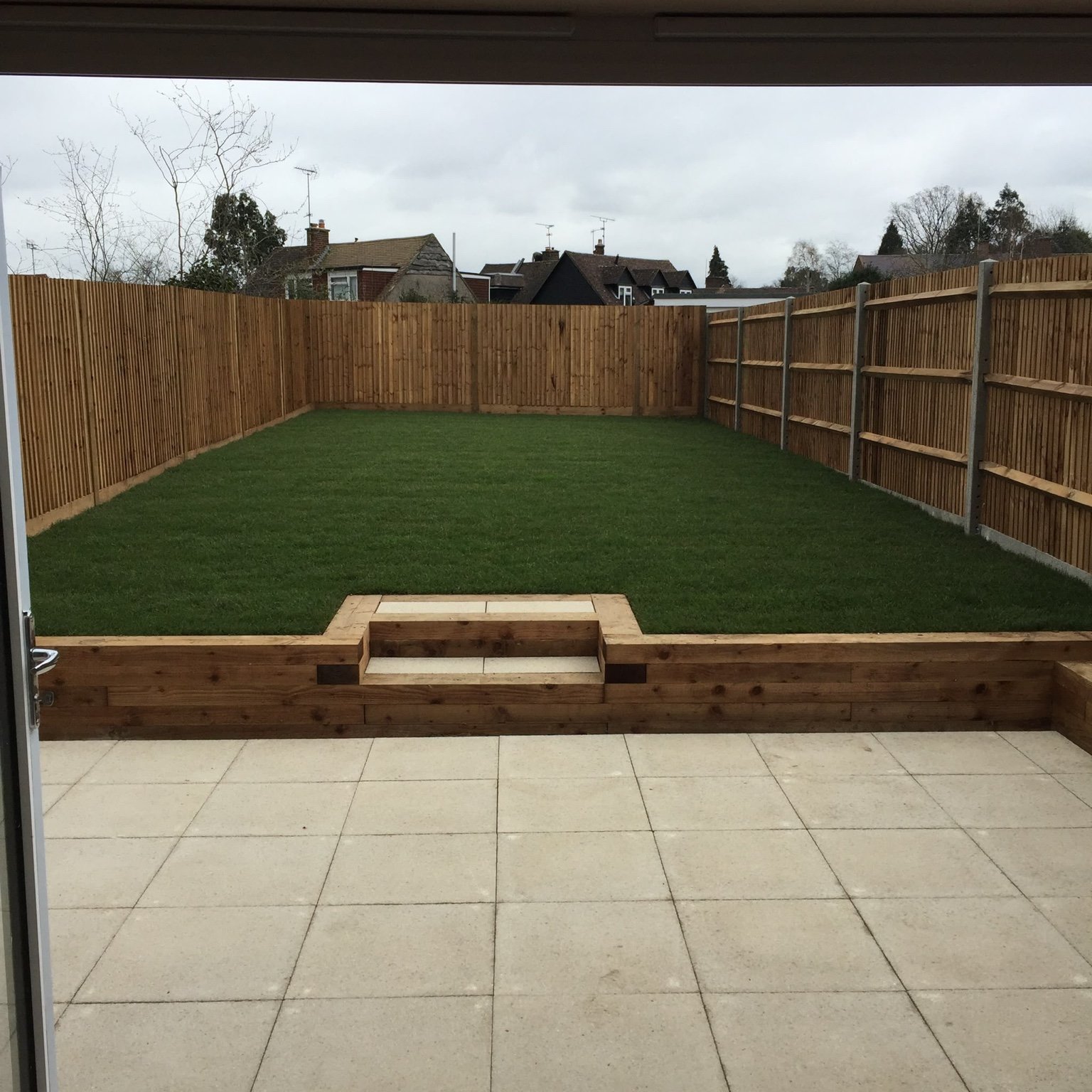
1800mm closeboard fencing, softwood sleeper planters, a 450mm buff slab patio and new turf.
View Borough Green projectCanterbury
Porcelain paving, artificial grass and a custom steel-frame pergola with polycarbonate roof.
View Canterbury projectStrood
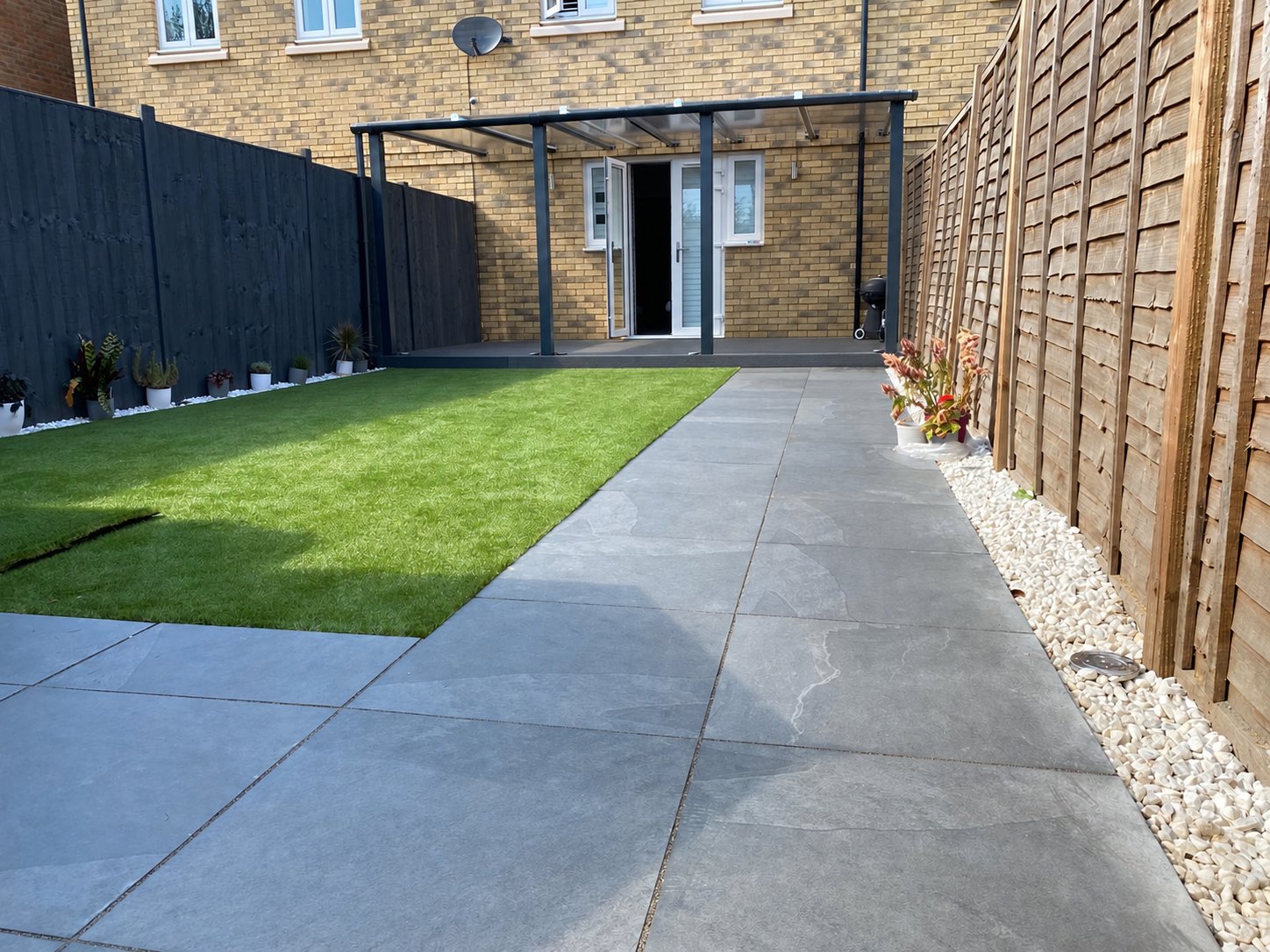
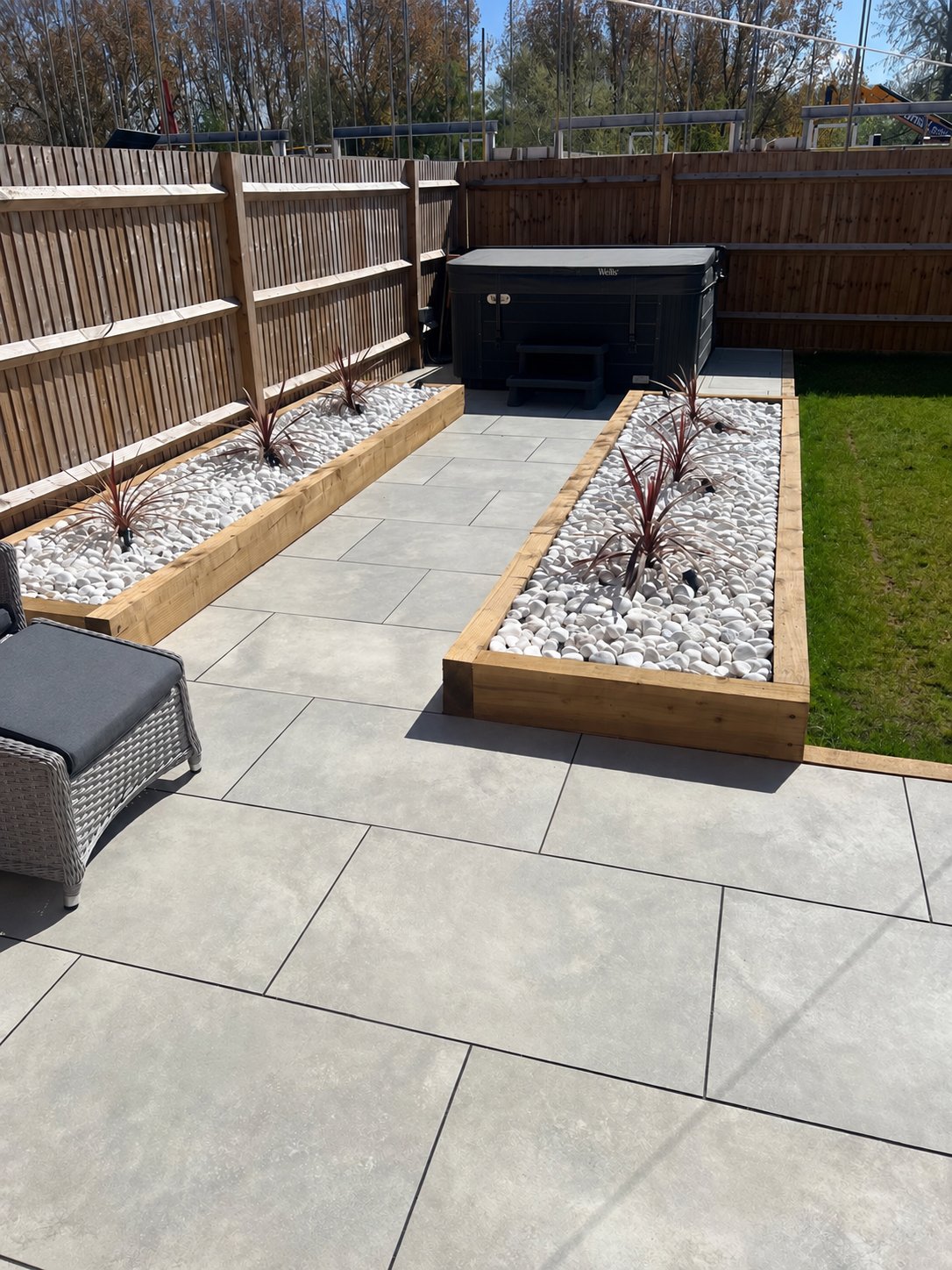
Grey porcelain paving framed by timber sleeper planters, white decorative stones and planting.
View Strood projectWest Malling
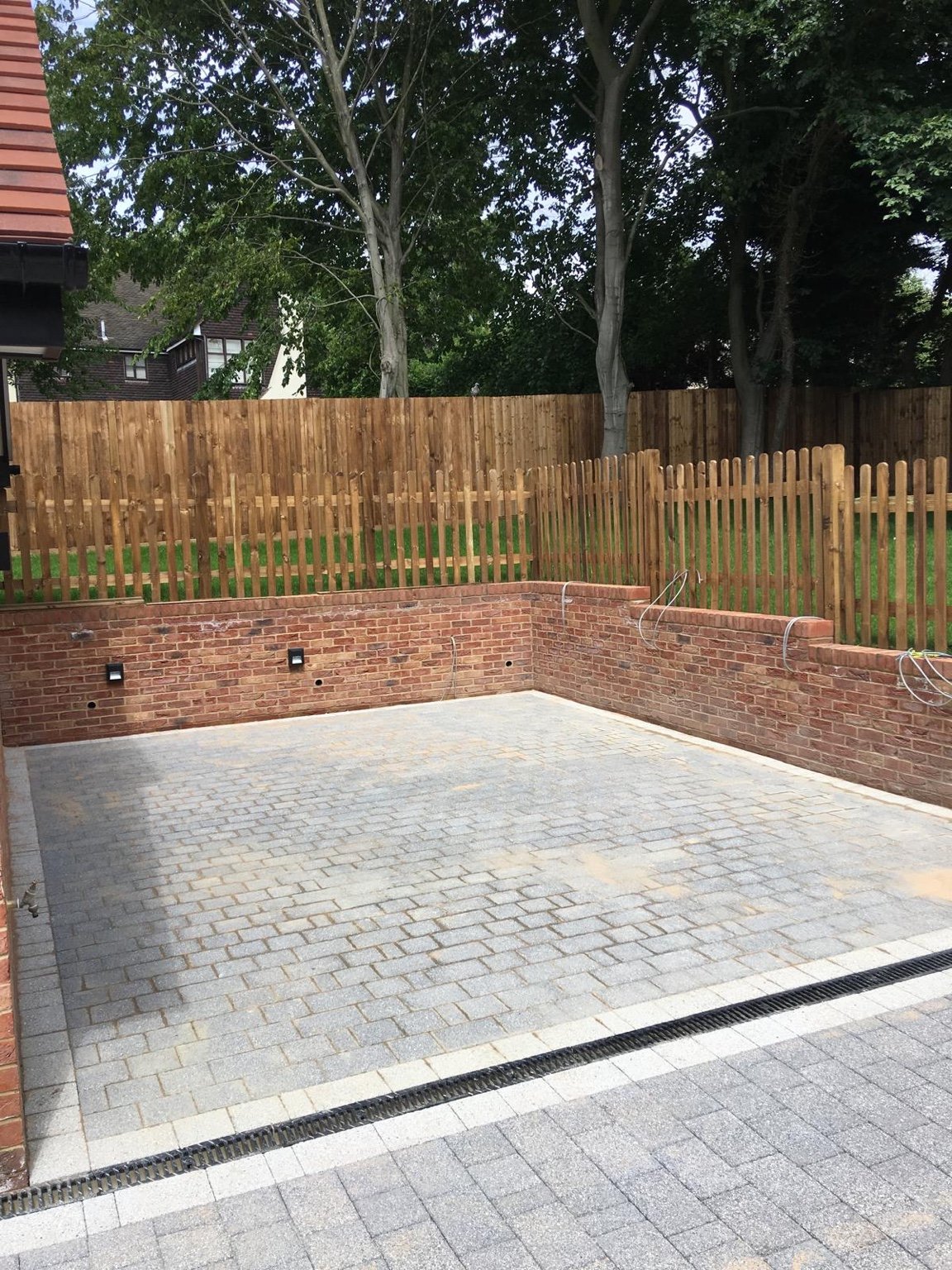
Block paving, porcelain patio, brick retaining walls and two styles of timber fencing.
View West Malling projectAshford
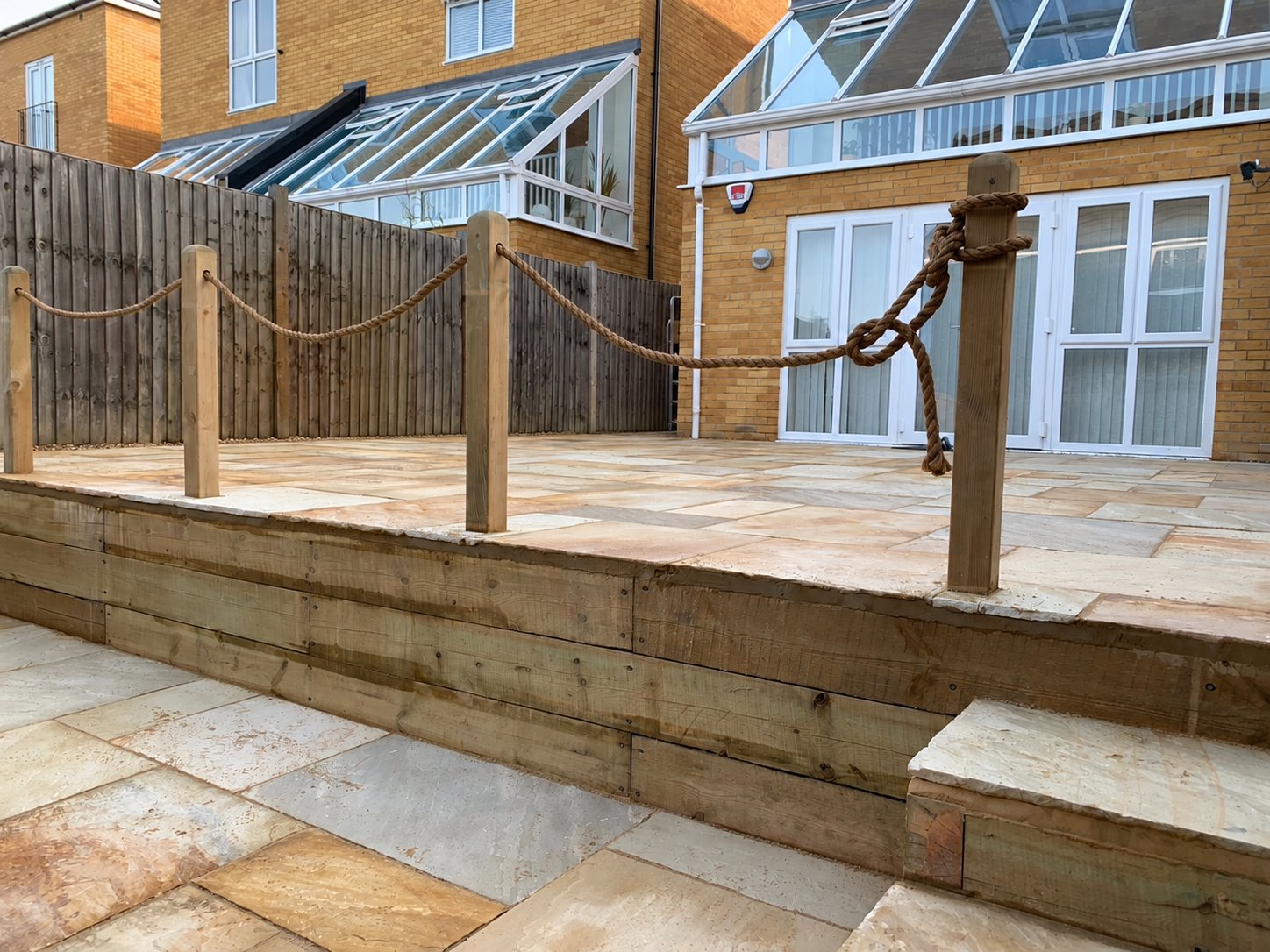
Sandstone paving across two levels, with timber sleeper retaining walls.
View Ashford projectDeal
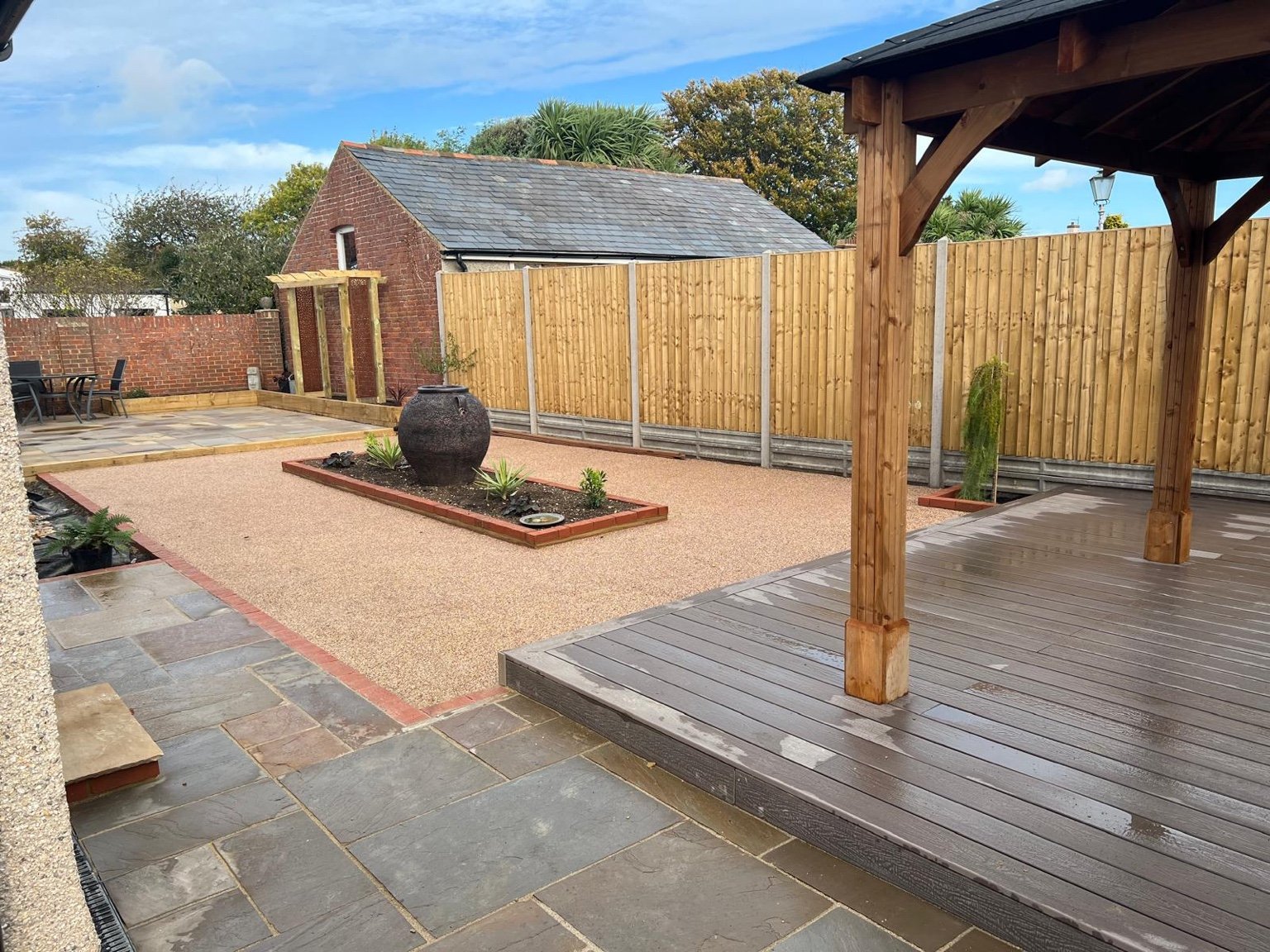
A sandstone patio, ash-coloured composite decking, pitched-roof pergola and sleeper planters.
View Deal projectSevenoaks
75mm thick York stone paving, curved paths, brick walls and Kentish ragstone walls.
View Sevenoaks projectHerne Bay
Porcelain patio, raised bed, artificial grass and slatted fencing. See the garden before and after.
View Herne Bay projectSittingbourne
A broad decking terrace with defined board lines and steps connecting the house to the lawn.
View Sittingbourne projectDeal
Raised grey decking with black railings, inset steps and a matching handrail.
View Deal projectYOUR BIRCHINGTON GRAVEL DRIVEWAY
Send photographs, dimensions and parking requirements for a free, no-obligation quote.